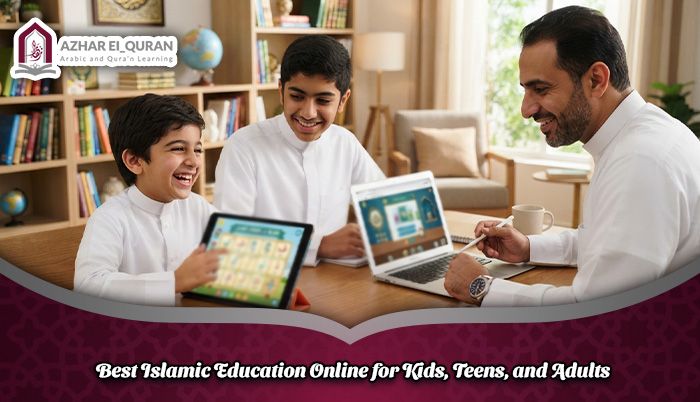
Islamic Education is a powerful way to build strong faith, useful knowledge, and good character. Islamic education online makes learning Islam easier for kids, teens, beginners, and adults. Students can learn Quran, Islamic studies, Sunnah, Islamic values, and essential teachings from home.
The best Islamic Education online programs offer more than basic religious lessons. They help students understand Islam and apply its teachings in daily life. Kids can learn Quran reading, prayer, duas, and good manners. Teens can study faith, Islamic values, Seerah, and important questions about modern life. Adults can improve their Quran skills and study Islamic sciences at their own pace.
Online Islamic Education also gives families greater flexibility. Students can attend live classes without traveling to a local school. Parents can choose lesson times that fit their family schedule. Beginners can start with basic lessons. Advanced students can move to deeper Islamic studies.
Choosing the right academy is still important. A quality program should have qualified Islamic teachers, a clear curriculum, flexible classes, and a supportive learning environment. Azhar El-Quran Academy is one platform families can explore for online Quran and Islamic learning.
The goal of Islamic Education is not only to gain information. It is to build faith, improve character, increase knowledge, and practice Islam with confidence. With the right teacher and course, every learner can make steady progress and enjoy a lifelong journey of Islamic learning.
What Is Islamic Education Online?
Islamic education online is the process of studying Islam through live virtual classes, digital resources, qualified teachers, and structured learning programs. It allows students to learn Islam online without traveling to a mosque, school, or traditional institute.
The best online Islamic education programs cover both essential knowledge and practical application. Students may study the Quran, Tajweed, Hadith, Sunnah, Fiqh, Aqeedah, Seerah, Islamic history, and Muslim manners. Some programs also offer specialized Islamic studies online for different ages and learning levels.
The main purpose is not simply to collect information. Islamic education should help students understand their faith and use that knowledge in daily life. A child can learn how to pray. A teenager can understand Islamic values. An adult can improve Quran reading or study Islamic sciences in greater depth.
Modern technology makes this learning more accessible. Students can attend live video lessons, communicate with teachers, complete assignments, and review educational materials from home. Parents can also follow their children's progress.
A strong online Islamic education program should be:
- Structured and age-appropriate.
- Based on reliable Islamic sources.
- Taught by qualified teachers.
- Interactive and easy to understand.
- Flexible enough for modern family schedules.
- Focused on knowledge, faith, and character.
This approach makes Islamic education suitable for beginners as well as students with previous knowledge.
Importance of Islamic Education
The importance of Islamic education extends far beyond academic learning. Islam encourages Muslims to seek beneficial knowledge and use it to improve their faith and actions. Knowledge helps Muslims understand worship, morality, relationships, and their responsibilities toward Allah and others.
For children, Islamic education for kids creates an early foundation. They can learn basic beliefs, Quran reading, prayer, duas, Islamic manners, and stories from the life of the Prophet. These lessons can become part of their daily habits.
For teenagers, Islamic education for teens guides an important stage of intellectual and personal development. Teens encounter new ideas at school, online, and through social media. Strong Islamic studies can help them evaluate these ideas while remaining connected to their faith.
Adults also need continuous learning. Life responsibilities may make traditional classes difficult. Online Islamic education for adults provides a practical way to continue studying.
Islamic values education is another important part of religious learning. Students can develop honesty, patience, responsibility, kindness, respect, and compassion. These values support both spiritual and intellectual development.
Important areas of learning include:
- Quran and Quranic understanding.
- Sunnah and Hadith.
- Islamic beliefs and worship.
- Islamic history and Seerah.
- Muslim manners and values.
- Practical Islamic knowledge.
When families prioritize Islamic education, they create an environment where faith and knowledge grow together. Parents can also become positive examples for their children.
Benefits of Learning Islamic Education Online
Choosing online Islamic education offers several practical benefits. The first is flexibility. Students can attend lessons from home without spending time traveling to a physical school. This makes online Islamic classes useful for busy families, working adults, and students with demanding schedules.
Another benefit is access to qualified teachers. A local area may have limited options, but online learning allows families to explore teachers from different educational backgrounds. Students can find instructors who understand their age, level, language, and learning needs.
Personalized learning is also valuable. Young children may need repetition and encouragement. Teens may prefer discussion-based lessons. Adults may want deeper Islamic studies online. A flexible program can adapt to these differences.
Online learning also supports consistent study. Students can establish a regular schedule for Quran, Islamic studies, or other courses. Regular learning often produces better results than occasional study.
Digital resources provide additional support. Students may receive worksheets, lesson materials, quizzes, Quran resources, or revision activities. These tools can help reinforce what they learn during live classes.
Key benefits include:
- Flexible online Islamic classes.
- Learning from home.
- Access to qualified Islamic teachers.
- Age-based and level-based programs.
- Personalized attention.
- Interactive Quran and Islamic studies.
- Convenient schedules for families.
- Continuous learning opportunities.
For beginners, online Islamic education can provide a comfortable starting point. Students can progress gradually without feeling pressured. For experienced learners, it can provide opportunities to explore advanced Islamic studies and Islamic sciences.
Best Islamic Education Courses for Kids
The best Islamic education for kids should make learning simple, engaging, and meaningful. Children learn differently from adults. They benefit from stories, repetition, visual materials, friendly teachers, and short activities.
A strong Islamic education program for children can begin with basic Quran reading. Children may also study Noorani Qaida, short Surahs, daily duas, prayer, wudu, Islamic manners, and basic beliefs.
Quran learning should include understanding whenever appropriate. Children can learn the meaning of simple Surahs and discover how Quranic teachings relate to everyday life. This helps them develop a stronger connection with the Quran.
Islamic values education should also be included. Children can learn why Muslims should tell the truth, respect parents, help others, keep promises, and show kindness. Stories from the Prophet and his companions can make these lessons memorable.
Age and grade should guide the curriculum. A young beginner needs simple language. An older child can gradually Quran study and more detailed Islamic studies.
Parents should consider programs that provide:
- Online Islamic classes for kids with qualified teachers.
- Quran reading and Tajweed.
- Basic Islamic studies.
- Daily duas and prayer education.
- Stories of the Prophet.
- Islamic manners and values.
- Parent progress updates.
- Flexible class times.
Azhar El-Quran Academy can be considered by families looking for structured online Quran and Islamic education. A suitable program should make children feel encouraged while helping them build lasting knowledge.
Islamic Education Programs for Teens
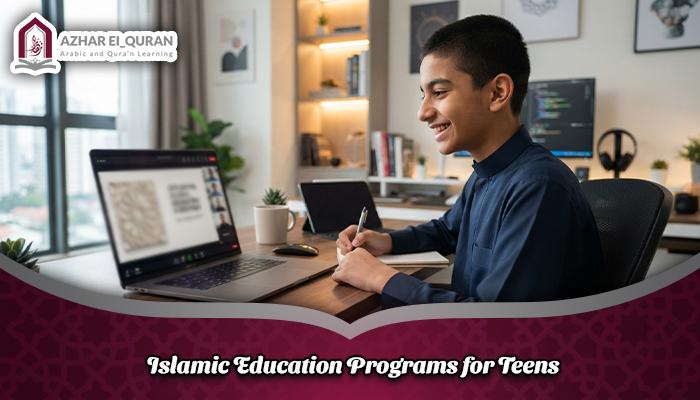
The teenage years bring new questions, responsibilities, and challenges. Therefore, Islamic education for teens should go beyond memorizing information. It should help young Muslims understand their faith and connect Islamic teachings with modern life.
A good teen program may include Quran, Tafsir, Hadith, Sunnah, Fiqh, Aqeedah, Seerah, and Islamic history. It can also address practical subjects such as friendships, personal responsibility, online behavior, time management, ethics, and decision-making.
Teenagers are developing intellectually. They often want to know why Islamic teachings matter. Effective Islamic studies for teens should encourage respectful questions and thoughtful discussion.
The Quran should remain central. Teens can study selected verses and explore their meanings. They can also learn how the Sunnah explains Islamic teachings and how the Prophet demonstrated mercy, justice, patience, courage, and wisdom.
An engaging online Islamic education program should connect faith to everyday experiences. Students should understand how Islamic values guide behavior at school, at home, online, and among friends.
Useful areas include:
- Quran and Tafsir basics.
- Hadith and Sunnah.
- Islamic beliefs.
- Fiqh for everyday life.
- Seerah and Islamic history.
- Islamic values education.
- Muslim identity and character.
- Questions related to modern life.
With consistent Islamic education, teens can develop stronger faith, confidence, and responsibility. They can learn how to remain committed to Islam while navigating a rapidly changing world.
Best Islamic Education Classes for Adults
Adults often search for the best Islamic education online for adults because they want flexible learning that fits around work and family responsibilities. Some adults are beginners. Others want to strengthen existing knowledge or study more advanced subjects.
Online Islamic education classes for adults may cover Quran reading, Tajweed, Tafsir, Hadith, Fiqh, Aqeedah, Seerah, and Islamic studies. Students can choose a course based on their personal goals.
Beginners can start with the basics. They may learn the pillars of Islam, essential beliefs, purification, prayer, daily duas, and Quran reading. Students with more experience can explore advanced Islamic studies online.
Flexibility is especially important for adults. Evening and weekend classes can make regular learning easier. One-to-one lessons can also provide personalized attention.
Adult learners often have practical questions. A qualified teacher can explain difficult concepts and help students understand how Islamic teachings apply to real situations.
Islamic education for adults can also benefit the entire family. When parents increase their knowledge, they can support their children's learning. Family discussions about the Quran, Sunnah, and Islamic values can become part of everyday life.
A good adult program should provide:
- Flexible online Islamic classes.
- Qualified Quran tutors.
- Beginner and advanced levels.
- Quran and Islamic studies.
- Interactive lessons.
- Clear learning goals.
- Supportive feedback.
Learning Islam as an adult does not require completing everything quickly. Consistent progress can lead to meaningful lifelong learning.
How to Choose the Best Islamic Education Online
Choosing the best Islamic education online requires careful research. A course may look attractive, but families should examine its teachers, curriculum, teaching approach, and learning structure.
Start with teacher qualifications. Qualified Islamic teachers should have strong knowledge and appropriate teaching experience. They should also communicate clearly and understand the needs of their students.
Next, review the curriculum. A balanced Islamic education program should provide reliable Islamic knowledge. It should not rely only on isolated topics or short lessons. The curriculum should help students develop a connected understanding of Islam.
Class size also matters. Smaller classes can provide more opportunities for students to ask questions and receive corrections. One-to-one classes can be especially helpful for Quran reading and Tajweed.
Look at the schedule and technology. A good online learning platform should make classes easy to access. Students should also have clear communication with teachers or support staff.
Before choosing an online Islamic studies program, consider:
- Teacher qualifications and experience.
- Curriculum and Islamic sources.
- Class size and interaction.
- Course level and age suitability.
- Flexible scheduling.
- Student progress tracking.
- Parent communication.
- Learning resources.
- Reviews and reputation.
Azhar El-Quran Academy is a leading option for families and individuals exploring online Quran and Islamic studies. When comparing programs, focus on the quality of learning rather than marketing claims alone.
The right Islamic education program should motivate students to learn consistently and apply their knowledge.
Learn Islam with Qualified Teachers
Qualified teachers make a major difference in Islamic education. Digital resources can provide information, but an experienced teacher can explain difficult concepts, correct mistakes, answer questions, and guide students through their learning journey.
For children, teachers should be patient and encouraging. They should know how to make Quran and Islamic studies interesting. A positive teacher can help a child develop a lasting love for learning.
Teenagers need a different style. They may have questions about faith, identity, society, and modern challenges. Teachers should listen carefully and create a respectful environment for discussion.
Adults also benefit from qualified instructors. They may want to study complex subjects or correct misunderstandings from earlier learning. An experienced teacher can organize the learning process and provide reliable explanations.
Authentic Islamic education should remain connected to the Quran and Sunnah. Teachers should help students understand Islamic teachings through reliable sources and established scholarship.
Teachers also demonstrate Islamic values through their conduct. Patience, respect, honesty, kindness, and responsibility can become part of the classroom experience.
When students trust their teachers, they are more willing to ask questions and participate actively. This makes learning more effective.
Azhar El-Quran Academy can help learners access structured Quran and Islamic education with teachers suited to different learning needs. The goal is not simply to finish a course. The goal is to build useful knowledge that continues to benefit the student.
How Online Islamic Education Builds Strong Muslim Character
The real value of Islamic education appears when knowledge influences character. Learning about honesty is important. Practicing honesty is even more important. Learning about kindness matters. Showing kindness to others brings that lesson into real life.
This is why effective Islamic education should combine knowledge, faith, values, and action. Students should learn what Islam teaches and understand how those teachings can shape their behavior.
Stories from the Quran and Sunnah can provide powerful examples. The life of the Prophet teaches lessons about patience, mercy, justice, courage, forgiveness, and responsibility.
Online classes can use discussions, stories, examples, and reflection activities to connect Islamic studies with everyday situations. Children can discuss how to respect parents. Teens can explore responsible online behavior. Adults can consider how Islamic values affect family and professional relationships.
Families also have a central role. Parents can reinforce lessons at home. They can discuss what children learned and encourage them to practice one value each day.
Character development takes time. It requires repetition, practice, and good examples. Islamic education provides the knowledge and guidance. Daily life provides opportunities to apply it.
In every century, Muslims face different circumstances. Technology, schools, workplaces, and social environments continue to change. Yet Islamic values such as honesty, compassion, justice, patience, and responsibility remain meaningful.
A balanced online Islamic education program helps Muslims gain modern learning skills without losing their connection to Islam.
Why Islamic Education Matters in the Modern World
We live in an age of unlimited information. A quick online search can produce thousands of answers. But not every answer is accurate. This makes reliable Islamic education more important in the modern world.
Muslims need trustworthy opportunities online to learn Islam for beginners. They need teachers who can explain Islamic knowledge clearly and responsibly. They also need courses that connect traditional Islamic teachings with the realities of modern life.
Online Islamic education can meet this need. Students can study the Quran, Sunnah, Islamic studies, and Islamic values without needing to travel. Families can create a learning routine that works around school and work.
Modern educational methods can also improve engagement. Interactive lessons, online resources, live discussions, and digital learning materials can make Islamic studies easier to access.
For young Muslims, this balance is particularly important. They can develop intellectual confidence while remaining connected to their faith. They can explore questions and learn how Islamic principles guide their choices.
Adults can continue their studies despite busy schedules. Parents can improve their own knowledge while supporting their children. Families can make learning part of their routine.
The modern world changes quickly, but the need for beneficial knowledge remains. Islamic education can help Muslims understand their religion, strengthen their faith, and live according to Islamic values.
Building a Lifelong Journey of Islamic Learning
The best approach to Islamic education is to treat learning as a lifelong journey. Students do not need to master every subject immediately. They can start with the basics and gradually expand their knowledge.
Children can begin with Quran reading, basic Islamic beliefs, prayer, duas, and manners. Teens can move toward deeper Quran study, Hadith, Seerah, Fiqh, and Islamic studies. Adults can choose beginner or advanced courses based on their existing knowledge.
The process should be consistent. A small amount of learning each week can create significant progress over time. Regular revision also helps students retain what they learn.
Parents can make learning a family activity. They can read Quran together, discuss a Hadith, review Islamic values, or share lessons from the life of the Prophet.
Online Islamic education makes this process convenient. Students can continue learning as their needs change. A beginner can move to intermediate studies. A teenager can later explore advanced Islamic sciences. An adult can continue learning throughout life.
The goal is not simply to collect certificates. The real goal is beneficial knowledge, stronger faith, better character, and practical understanding.
Azhar El-Quran Academy can be considered by families and individuals seeking structured online Quran and Islamic studies. With qualified teachers, suitable courses, and regular practice, learners can build a strong foundation.
Conclusion
The best Islamic Education online can help kids, teens, beginners, and adults build strong faith and useful knowledge. It makes Quran, Islamic studies, Sunnah, and Islamic values easier to learn from home. With qualified teachers and flexible courses, students can grow spiritually, intellectually, and morally. Azhar El-Quran Academy can support families seeking structured online learning. Start your journey today and make Islamic Education a lasting part of your life. Learn, practice, and grow with faith, knowledge, and confidence.